She tried to walk again—days before choosing to die.
In the raw, aching video, 25-year-old Noelia grips her crutches as her father calls her a “machine,” begging hope to win.
Yet behind her small smile is a decision that tore her family apart, defied Spain, and forced the world to ask who truly owns a life shatt… Continues…
In her last months, Noelia lived suspended between unbearable pain and the expectations of those who loved her.
The brutal assault that left her paralyzed also shattered her trust in the world meant to protect her.
Therapy, medication, and rehabilitation could not silence the memories or soothe the constant physical agony.
As her body fought to stand, her mind carried weight no one else could feel, and she began to see euthanasia not as surrender,
but as the only remaining act of control.
Her family’s heartbreak collided with her fierce insistence that her life belonged to her alone.
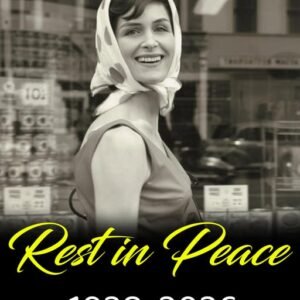
She chose to die without them in the room, holding onto four photos from better days. Noelia’s story does not
offer easy answers about euthanasia, trauma, or duty to family. It leaves behind a haunting, necessary question: how do we honor both love and someone’s limit of suffering?