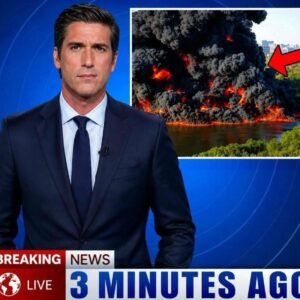
WASHINGTON — Shock and confusion spread rapidly across social media platforms Wednesday after unverified claims circulated that former President Donald Trump had been “shot again” in Washington, D.C. The dramatic reports, often accompanied by alarming captions and recycled footage, fueled immediate panic, speculation,
and a surge of reactions from supporters and critics alike. Within hours, however, the absence of any corroborating evidence from official or journalistic sources began to clarify the situation.
Despite the intensity of the online frenzy, no credible news organizations, law enforcement agencies, Secret Service statements, or medical reports have confirmed any new attack on Trump in the nation’s capital or elsewhere. Major U.S. and international media outlets, which routinely cover incidents of this nature almost immediately, have published no supporting coverage. Federal authorities have similarly issued no alerts, briefings, or updates, indicating the claims lack a verifiable foundation.
The confusion appears rooted in misleading social media content, including old video clips paired with sensational new captions designed to maximize engagement rather than convey accurate information. Many of the posts originated from unverified accounts and private groups, where unconfirmed narratives frequently gain traction. In today’s hyper-connected digital landscape, misinformation can proliferate exponentially faster than verified facts, leading to recurring waves of false alarms that test public resilience and discernment.
It is essential to distinguish these unsubstantiated rumors from documented past events. In July 2024, Trump survived an assassination attempt at a campaign rally in Butler, Pennsylvania, where a gunman’s bullet grazed his ear, resulting in one spectator’s death and serious injuries to others. That incident triggered enhanced security protocols, congressional investigations, and ongoing scrutiny of protective measures. Additional security incidents have occurred in 2026, including gunfire near the White House in May, but none align with the specifics of Wednesday’s viral claims.
Security and media experts highlight the broader risks posed by such hoaxes. False reports can unnecessarily strain emergency resources, heighten public anxiety, and erode confidence in legitimate journalism and institutions. Repeated exposure to sensational misinformation also complicates the public’s ability to identify genuine threats amid politically charged environments. High-profile figures like Trump remain prime targets for these tactics, particularly during periods of heightened political sensitivity, where emotional triggers encourage rapid sharing before facts emerge.
Political observers note that the motivation behind many such posts often centers on generating clicks, outrage, or division rather than informing the audience. As one analyst observed, in an era where a single unverified claim can reach millions within minutes, the speed of dissemination frequently outpaces verification processes.
At present, all available verified information confirms that Donald Trump has not been the target of a new shooting incident. Authorities urge citizens to rely on established news sources and official government communications when assessing developments involving public safety.
This episode underscores a persistent challenge in the information age: the need for critical thinking and rigorous verification. As digital platforms continue to amplify both truth and fabrication, cultivating media literacy remains an indispensable tool for navigating an increasingly complex news environment.