Unlocking the Brain’s Benefits with Puzzle Games
In today’s world, where distractions are everywhere, sitting down to a puzzle offers more than just fun: it’s a great way to exercise your mind. Whether it’s a classic crossword puzzle,
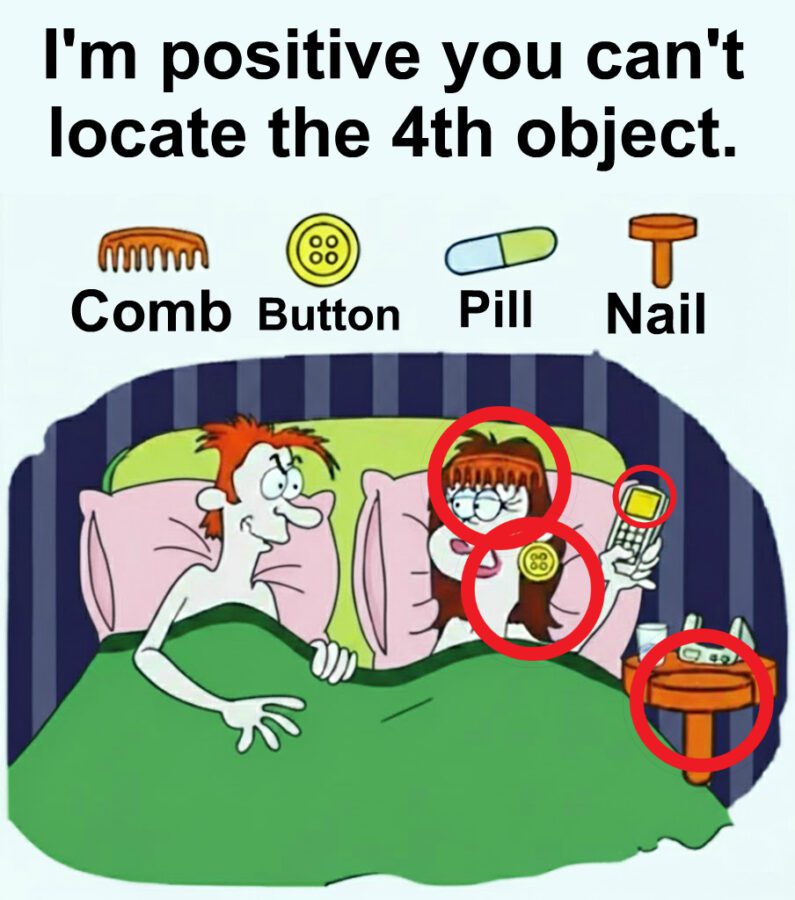
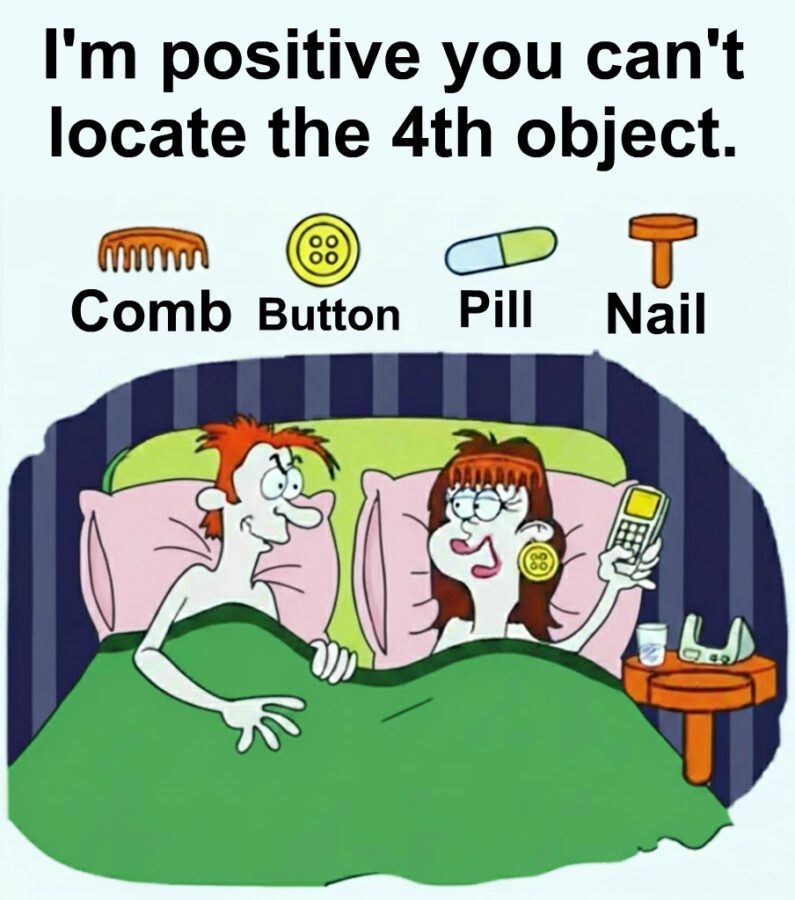
a complex jigsaw puzzle, or a spot-the-difference game, puzzles stimulate the mind, boost memory, and sharpen concentration. The image of a stimulating visual puzzle filled with hidden objects perfectly illustrates how these activities significantly stimulate our minds
Let’s explore together why puzzles are not only entertaining, but also essential for cognitive health, mental well-being, and social connection.
Why Puzzles Are Essential for Cognitive Development
Sharpen Your Problem-Solving Skills
Each puzzle is a mini-adventure in problem-solving. It’s not just about filling in blanks or checking boxes: it’s about decoding clues, spotting patterns, and navigating complexity. This sharpens your brain’s analytical and logical reasoning skills—skills that easily translate into real-life decision-making.
Improve Memory and Concentration
Puzzles require your full attention. Whether memorizing shapes in a jigsaw puzzle or details in a spot-the-difference game, you’re training your brain to retain information and focus deeply. Over time, this increased concentration can improve your attention span in everyday tasks.
Improve Cognitive Flexibility
Many puzzles challenge you to change strategies, approach problems from different perspectives, or consider alternative solutions. This mental flexibility is invaluable and helps you adapt quickly in an ever-changing world.
The Psychological Benefits of Solving Puzzles
Relieve Stress Through Increased Focus
Immersing yourself in a puzzle provides an escape from the pressures of everyday life. Focusing on the task at hand calms racing thoughts and reduces anxiety. The repetitive, rhythmic nature of puzzles often promotes a meditative state, helping you relax and recharge.
The Joy of Accomplishment
Completing a puzzle triggers a surge of dopamine, the brain’s feel-good chemical. This moment of satisfaction fills you with pride and motivation, encouraging you to take on new challenges with confidence.
Different types of puzzles and their unique benefits for the brain
Visual puzzles and spot-the-difference games
These games sharpen your powers of observation by training you to spot subtle differences and fine details, improving your visual acuity and patience.
Puzzles and logic games
Sudoku, riddles, and logic puzzles stimulate analytical thinking and pattern recognition, honing your ability to approach problems methodically.
Jigsaw puzzles
They improve spatial reasoning and memory by connecting individual pieces to form a larger picture, encouraging holistic thinking.
Crosswords and word searches
Ideal for language enthusiasts, these games expand vocabulary, improve verbal skills, and encourage creative word association.
The Social Side: Why Puzzles Are Great for Bonding
Encourage Teamwork and Cooperation
Completing puzzles together requires communication and collaboration. You learn to share ideas, divide up tasks, and celebrate small victories, all while bonding with friends and family.
Add a Competitive Side
Friendly puzzle competitions can spark excitement and motivate everyone to think faster and smarter, turning mental exercise into an enjoyable social event.
How Puzzles Improve Overall Well-Being
Keeping Your Mind Sharp as You Age
Regularly solving puzzles is a real workout for the brain, helping to slow cognitive decline and maintain mental agility as you age.
Develop Patience and Concentration
Puzzles teach you to slow down and focus intensely—beneficial skills for work, relationships, and personal development.
Conclusion: Adopt puzzles as your brain’s best friend
Puzzles aren’t just a pastime: they’re a true mental exercise, a stress reliever, and a true social glue. From boosting memory to sharpening problem-solving skills, they offer countless benefits, packed with moments of joy and challenge. So, the next time you want to exercise your brain or purposefully relax, pick up a puzzle. Your mind will thank you for the exercise, and your heart for the fun.