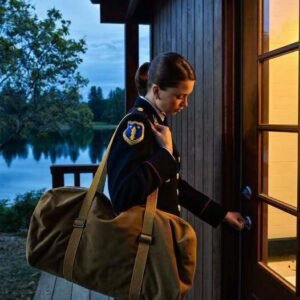
He arrived like a warning. No tears, no tantrums, just that hollow, practiced stillness that doesn’t belong on a child’s face.
Every move we made, his eyes measured, calculated, braced.
We were told he was “withdrawn.” They were wrong. He wasn’t distant; he was defending his life with silence, with stillness,
with breath held tight enough to hur… Continues…
We learned that healing didn’t look like movie scenes or dramatic hugs in the doorway. It looked like slow, almost invisible shifts: a backpack left unzipped because he finally believed no one would steal from him,
a plate returned with a bite left over because hunger was no longer an emergency.
His body began to loosen before his words ever did. The flinches softened. The hovering by the trash can faded into casual glances, then disappeared altogether.
What changed him wasn’t our certainty, but our consistency. The quiet repetition of showing up—after hard days, after setbacks, after nights when the nightmares came back with a vengeance. Every breakfast made, every boundary
held, every gentle “you’re safe here” laid another brick in something he’d never had: permanence.
He didn’t suddenly trust us; he tested us, again and again, until the evidence stacked higher than his fear. And one ordinary afternoon, when he laughed
without checking the door, we realized he’d done the bravest thing a wounded child can do—he’d decided to stay.